Dear colleagues and friends,
We are pleased to introduce the line-up of Slovak films at the 54th Karlovy Vary IFF.
>>OFFICIAL SELECTION – MAIN COMPETITION
Let There Be Light
Marko Škop SK-CZ 2019
>>EAST OF THE WEST – COMPETITION
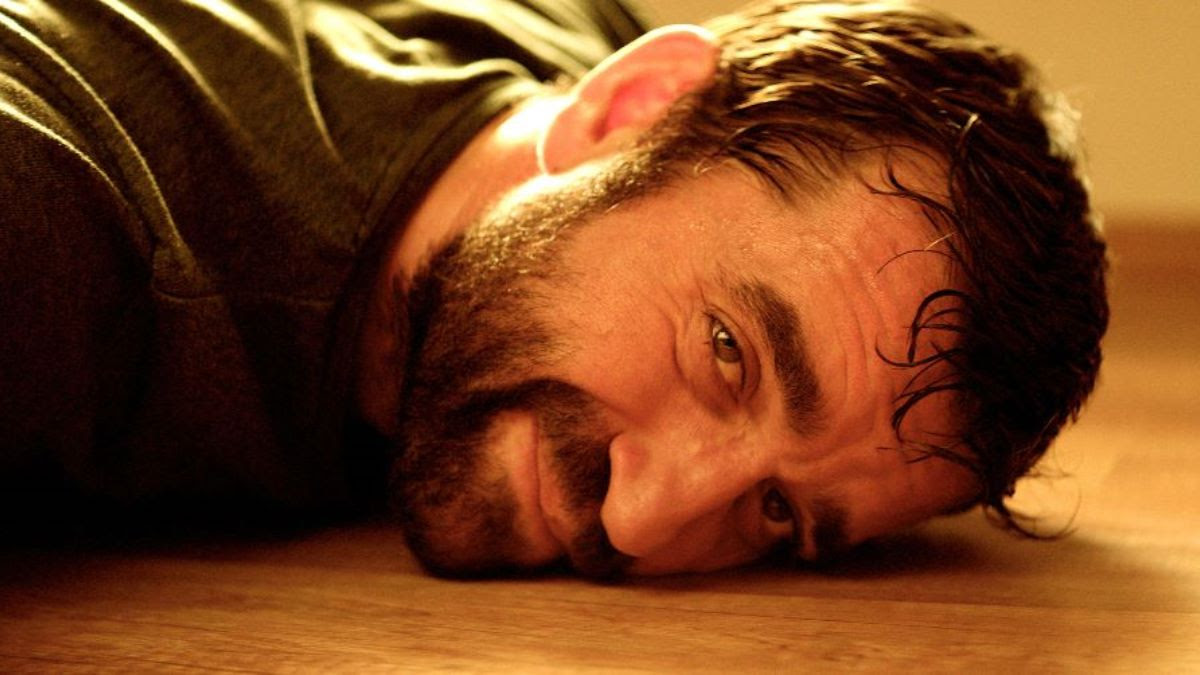
Silent Days
Pavol Pekarčík SK-CZ 2019
>>FUTURE FRAMES
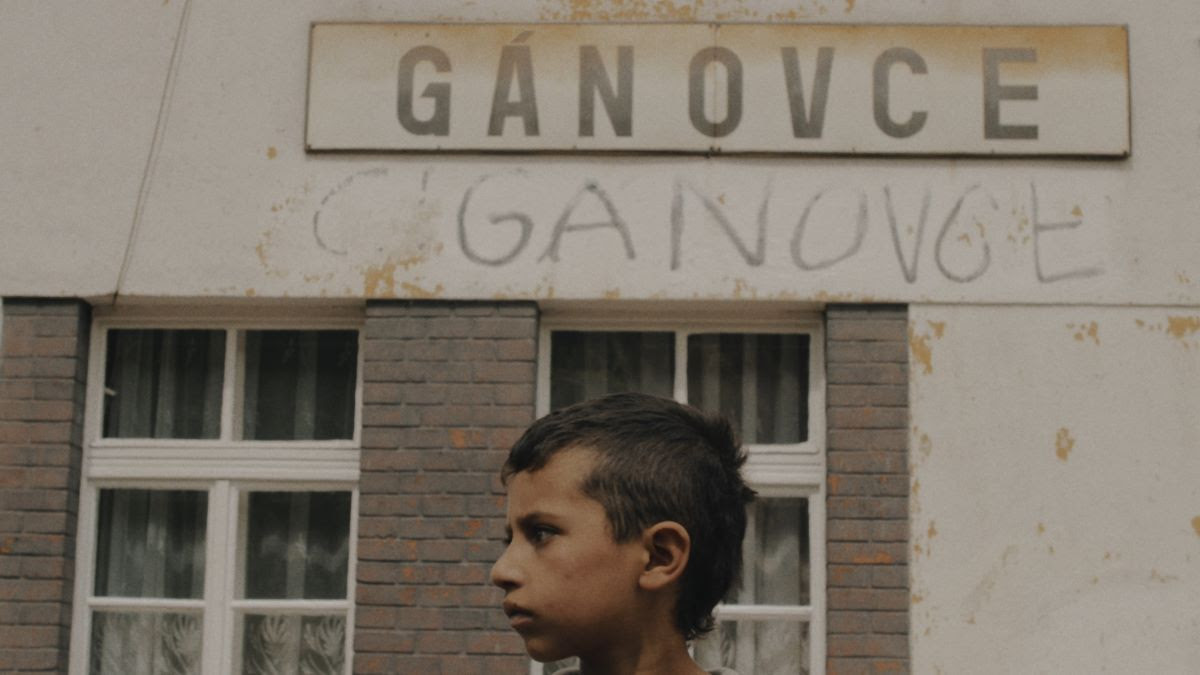
Kid
Gregor Valentovič SK 2019
>>OUT OF THE PAST
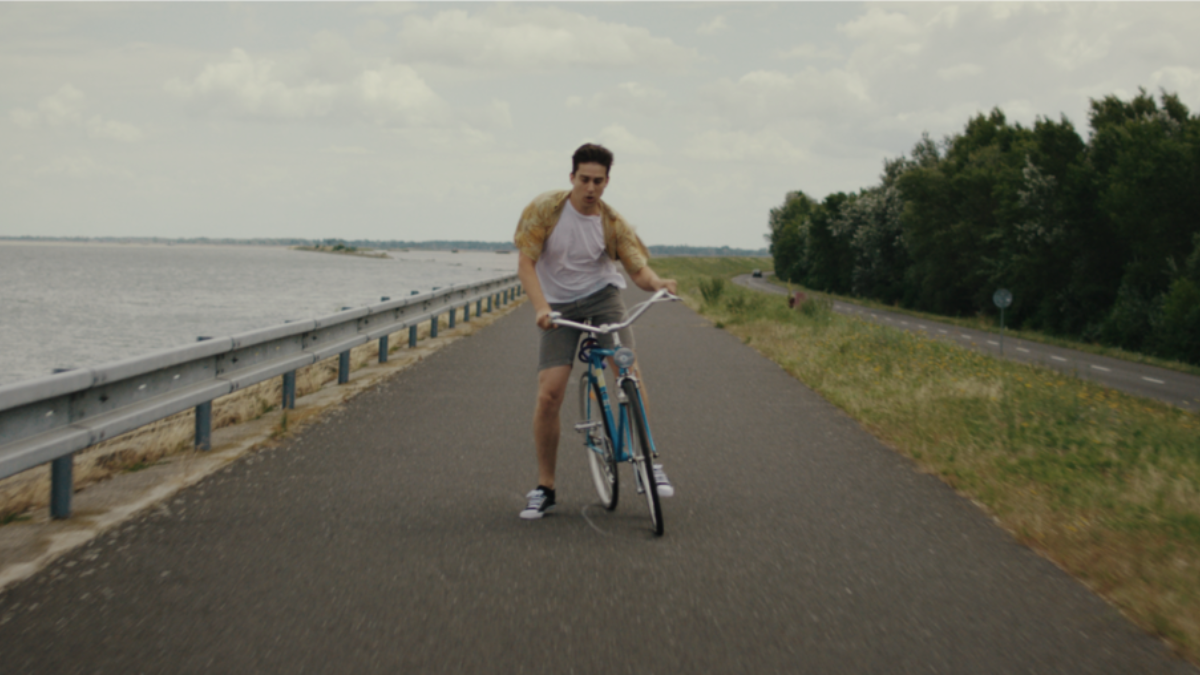
The Barnabáš Kos Case
Peter Solan CS 1964

>>LIBERATED
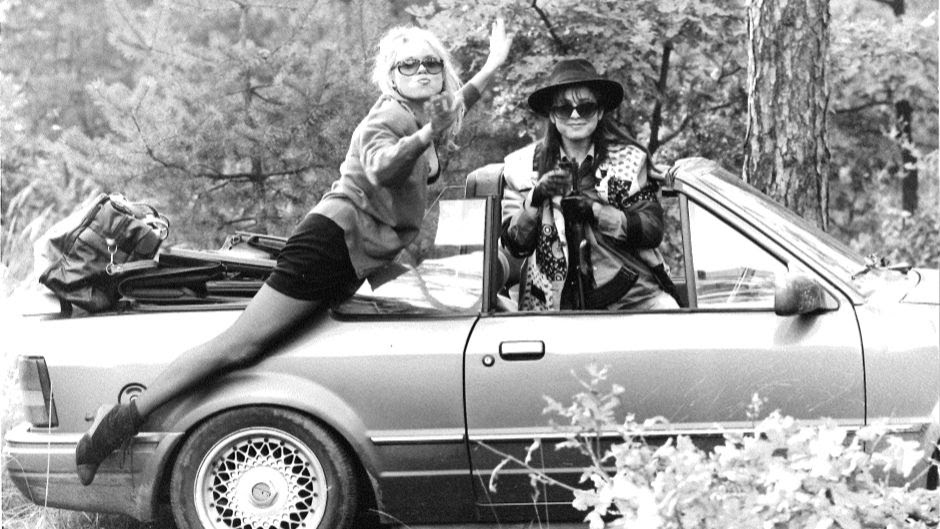
It's Better to Be Wealthy and Healthy Than Poor and Ill
Juraj Jakubisko CS 1992
MEET SLOVAK FILM INSTITUTE
Rastislav Steranka | This email address is being protected from spambots. You need JavaScript enabled to view it. | June 30 - July 3
Kristína Aschenbrennerová | This email address is being protected from spambots. You need JavaScript enabled to view it. | June 30 - July 3
Tomáš Hudák | This email address is being protected from spambots. You need JavaScript enabled to view it. | June 30 - July 3
Miroslav Ulman | This email address is being protected from spambots. You need JavaScript enabled to view it. | June 30 - July 5
We very much look forward to seeing you soon!
Lea
& Rastislav & Kristína & Tomáš & MiroslavNational Cinematographic Centre | SLOVAK FILM INSTITUTE
CineEurope 2019, Barcelona: 19 June 2019 - The International Union of Cinemas (UNIC), the European cinema trade grouping, today launched the third edition of its Women’s Cinema Leadership Programme, a 12-month mentoring programme for women in cinema exhibition.
Following the success of the first two rounds of the programme, initially launched at CineEurope 2017, this year’s edition will see eight talented female European cinema professionals receiving one-to-one support and development advice from outstanding women executives from across the cinema landscape, recognised for their leadership and business success.
This edition will also for the first time see the initiative expand its reach, welcoming mentees from UNIC’s Partnership Programme - itself composed of key players from across the cinema sector and beyond - to include participants from 14 different companies across 10 territories.
The programme remains UNIC’s flagship initiative to address the need to encourage and empower female professionals in order for the industry to realise its full potential. The 2019/20 edition welcomes the following key female leaders and rising female professionals from across the cinema exhibition landscape:
Mentors
Sofie Braet (Cinionic, Belgium), Nathalie Cieutat (Les Cinémas Pathé Gaumont, France), Helena Eklund (Filmstaden, Sweden), Cathy Huis in ‘t Veld-Esser (Gofilex B.V., The Netherlands), Petra Rockenfeller (AG Kino & Lichtburg Filmpalast, Germany), Debbie Stanford-Kristiansen (Novo Cinemas, UAE), Eva Maria Valles Novel (Cinesa, Spain), Olga Zinyakova (KARO Cinema Chain, Russia).
Mentees
Angeliki Angelidou (Cineplexx, Greece), Sévrine Breil (Les Cinémas Pathé Gaumont, France), Susanne Fläxl (Cineplex Neufahrn, Germany), Anna Grunert (Helios, Poland), Louise McKenzie (Webedia Movies Pro, UK), Alessandra Pavan Bernacchi (IMAX, UK), Rochelle Shanthakumar (Odeon Cinemas Group, UK), Hanna Szczepkowska (Arsenal Cinema, Germany).
Welcoming this latest edition of the programme, UNIC CEO Laura Houlgatte commented:
“It’s with great pride that we at UNIC are continuing our committed efforts towards promoting more gender-balanced leadership within the industry.
The success of the first two editions of the UNIC Women’s Cinema Leadership Programme reflects not only the dedication of our inspiring mentors and mentees but also the continued need for discussions surrounding equal opportunities across the sector.
We set out with the key long-term objective of broadening the talent pool for leadership in cinema exhibition, in the hope that the mentees of today would become the mentors of tomorrow.
We’re delighted to be joined by such a fantastic group of industry professionals for this year’s edition and very much look forward to what the next 12 months have in store.”
Notes for editors
The UNIC Women’s Cinema Leadership Programme is a 12-month cross-sector, international mentoring scheme for women in cinema exhibition.
Launched in 2017, the Programme is rooted in the belief that gender-balanced leadership in cinema exhibition is imperative for business success, better governance and more equity in the industry.
More information can be found on the UNIC website here.
The International Union of Cinemas (UNIC)
The Union Internationale des Cinémas/International Union of Cinemas (UNIC) represents the interests of cinema trade associations and cinema operators covering 38 countries in Europe and neighbouring regions.
CineEurope
CineEurope 2019 will take place from 17-20 June at the Centre Convencions Internacional Barcelona (CCIB) in Barcelona, Spain. CineEurope is the longest- running and most successful European convention and trade show for Major, Regional, and Independent cinema professionals. CineEurope will feature exclusive screenings and product presentations of upcoming films, sponsored events, timely and informative seminars and the CineEurope Trade Show. CineEurope is the Official Convention of the Union Internationale des Cinémas/International Union of Cinemas (UNIC).
Open call for MIDPOINT Feature Launch 2020
MIDPOINT Feature Launch is a unique training and networking platform for emerging talents from Central and Eastern Europe.
Feature Launch / Project Development Training
The project development training focuses on teams of writers, directors, and producers who are developing their first or second feature films.
Nine selected feature film projects go through an intensive
4-module program that enables them to work closely on the script and project development and provides them with financing and co-production opportunities.
The program consists of 2 residential workshops; project showcase takes place within Karlovy Vary International Film Festival with the KVIFF & MIDPOINT Development Award of 10.000 EUR for the best project and follow-up module for participating producers is organized within
When East Meets West Co-production Market.
Feature Launch / Script Consultant Training
The development process that the Feature Launch projects go through is used as a platform to train three attending script consultant trainees, who are studying for their future careers as professional script consultants.
Dates and venues
Workshop 1 / January 15-22, 2020 / Trieste, Italy
Workshop 2 / April 2020 / Slovakia
Workshop 3 / June 2020 / Karlovy Vary, Czech Republic
Feature Launch Spotlight (follow-up module) / January 2021 / Trieste, Italy
Program accepts
PROJECTS – first or second feature films (teams of writers, and/or directors and producers)
SCRIPT CONSULTANT TRAINEES – script consultants, writers, editors, creative producers and other film professionals (with some experience in story-editing) with the ambition of becoming script consultants
Deadlines
Project Development Training / September 13, 2019
Script Consultant Training / September 27, 2019
You can find more information about MIDPOINT Feature Launch here.
You can access the application form here.
MIDPOINT Feature Launch is realized with the support of Creative Europe – MEDIA Programme of the European Union, the Ministry of Culture of the Czech Republic and the Czech Film Fund. It is presented in cooperation with Karlovy Vary International Film Festival, When East Meets West, Trieste Film Festival, the connecting cottbus, CineMart, Art Department Masterclass and Audiovisual Producers' Association. MIDPOINT operates under the auspices of the Academy of Performing Arts in Prague.
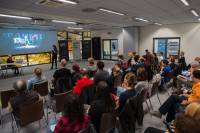
Showcasing your project before an international jury, big prizes – including the production of two winning projects at the CeTA studio – and a unique chance to present your ideas to producers, distributors, or broadcasters from all over the world – all these opportunities will be offered to the participants of the Animarkt Stop Motion Forum 2019 pitching section. Registration deadline is 4 August.
Projects eligible to enter the pitching are short animations and short special TV episodes using the puppet technique and meeting a number of criteria: they are in a developmental phase (at least a first draft of the script required), their running time is no more than 30 minutes, and they are a puppet animation for at least 80% of that time. Also welcome is an input (as in directing the animation, creating the storyboard or artistic design, writing the score, or creating a substantial part of the animation) of artists whose country of origin is one of the following: Poland, Slovakia, Czech Republic, Hungary, Germany, Ukraine, Lithuania, Latvia, Estonia. Just like during the previous edition, 15 projects will be chosen by a special Selection Committee. The projects will be presented on 11 October 2019 during the ANIMARKT Stop Motion Forum, held in Łódź for the fourth time.
The artists will receive two special accolades from CeTA (Center for Audiovisual Technology in Wrocław), namely vouchers worth PLN 60,000 and PLN 40,000, which will entitle the winners to using the studio for producing their films. Other prizes include a license for the Dragonframe animation software, distributing the finished movie (sponsored by Radiator IP Sales), and expert tips on puppet animation by Marcin Zalewski.
The Animarkt Pitching will be preceded by a two-day training session devoted to refining the presentation of the project and the art of public performance. Nancy Denney-Phelps – a journalist cooperating with the prestigious AWN.com media group and a well-known figure in the animation circles – will advise the participants on what to focus on during the pitching, while composer and musician Nik Phelps will talk about such aspects as the presenter’s body language and their handling of the microphone. Additionally, each participant will have an opportunity to speak to Marcin Zalewski about the project of their puppet.
One of those to have already experienced the unique opportunity and proper support offered by the Animarkt Pitching is Martin Smatana, director of “The Kite” and winner of the top prize in 2017. The movie, produced by the CeTA studio, keeps winning plaudits and has been successful at numerous festivals – it premiered at Berlinale 2019, and a few days ago it won the Young Audience Award at the Annecy Festival. Smatana says, ‘It all started with the Animarkt. The guides and feedback I received from Nancy Denney-Phelps during one of the training sessions helped me a lot. Winning the prize gave me a huge boost and let me and my project spread the wings.”
The pitching’s terms and conditions are available at www.animarkt.pl/pitching. Projects should be submitted through an electronic form available atbit.ly/ANIMARKT_Pitching19. The deadline for submissions is 4 August 2019. The list of projects accepted for the pitching segment will be published at en.animarkt.pl and at the Animarkt Stop Motion Forum FB profile.
Animarkt Stop Motion Forum is co-financed by the Ministry of Culture and National Heritage and the Polish Film Institute.
ANIMARKT STOP MOTION FORUM is Poland’s first and Central and Eastern Europe’s prime international event devoted exclusively to stop motion and puppet animation. It is a unique meeting venue of the field’s top artists, craftsmen, producers, distributors, broadcasters, and investors. Its diversified program offers a unique combination of workshop and vocation-oriented elements on the one hand with networking and business-to-business meetings on the other, while the pitching of short puppet animations is a unique opportunity for artists. The forthcoming 4th edition of the Animarkt will be held in Łódź between 8 and 12 October 2019. Entry to all ANIMARKT Stop Motion Forum events is free of charge, but registration is necessary due to a limited number of places.
MOMAKIN, the organizer of the ANIMARKT STOP MOTION FORUM, is a business partner for animation. It offers professional support to animation projects at every stage of their development. It brings together artists, producers, and distributors. It boasts an immense portfolio of talents from all over the world and numerous successful ventures home and abroad.
The total amount of 7 Czech feature films and co-productions will premiere at Karlovy Vary International Film Festival 2019 – four films have been selected for competitions, including Slovak-Czech Let There Be Light which will compete for the Crystal Globe.

Let There Be Light | Nech je svetlo
Official Selection – Competition
by Marko Škop
SK, CZ 2019 / 93 min
Milan (40) has three children and does construction work in Germany in order to provide for his family in Slovakia. While visiting his home over Christmas he discovers that his eldest son Adam is a member of a para-military youth group. The boy is involved in bullying and the death of a class-mate. The father has to decide what to do. In this process, along with his wife, he comes to discover the real truth about their son, their family, themselves and the community around them.
SCREENINGS
30.6.2019 10:30 - Congress Hall / 30.6.2019 20:00 - Grand Hall / 1.7.2019 13:00 - Pupp / 3.7.2019 11:30 - Drahomíra Cinema
CONTACT
Laurent Danielou / LOCO FILMS / This email address is being protected from spambots. You need JavaScript enabled to view it.

A Certain Kind of Silence | Tiché doteky
East of the West - Competition
by Michal Hogenauer
CZ, NL, LV 2019 / 96 min
Czech young au pair Mia starts work abroad for a well-off family in a lavish villa. Mia must look after their ten years old son and follows many strange rules of the household. She slowly begins to gradually and systematically disappear and abandon her morality and her relationships with child entrusted as a result of manipulation by a radical family community. Mia is suddenly able to expresses her love by violent tools.
SCREENINGS
2.7.2019 20:30 - Cinema A / 3.7.2019 18:30 - Karlovy Vary Theatre / 4.7.2019 16:30 - Lázně III / 5.7.2019 18:00 - Cinema A / 6.7.2019 13:30 - Husovka Theatre
CONTACT
Daniel Vadocký / Negativ / This email address is being protected from spambots. You need JavaScript enabled to view it. / +420 777 697 543

Silent Days | Hluche dni
East of the West – Competition
by Pavol Pekarčík
SK, CZ 2019 / 81 min
Four stories about hearing-impaired children from Roma settlements who inhabit an environment they cannot completely understand and dream their own world. Sandra, who loves football and Ronaldinho; Marian, who wants to become a train conductor and idolises JC Van Damme; Alena and Rene, who fear that they’ll have a deaf child; and siblings Roman, Kristian and Karmen, who dream about having a proper toilet and living room.
SCREENINGS
30.6.2019 20:30 - Cinema A / 1.7.2019 18:30 - Karlovy Vary Theatre / 2.7.2019 16:30 - Lázně III / 4.7.2019 13:30 - Husovka Theatre / 5.7.2019 13:00 - Cinema A
CONTACT
Katarína Tomková / kaleidoscope / This email address is being protected from spambots. You need JavaScript enabled to view it. / +420 908 281 407

Over the Hills | Dálava
Documentary Films – Competition
by Martin Mareček
CZ 2019 / 78 min
A great distance. Two thousand eight hundred fifty-two kilometers between Brno and Diveyevo, between the East and the West, between father and son. Far away, so close. At the end of summer holiday Vít and his son Grisha set off for a long journey to Russia. As soon as they get in the car, son puts his headset on and father immerses himself into memories. Still the two cannot escape one another. But there is one thing that can bring them close once again – a joint search. But what are they actually searching for?
SCREENINGS
1.7.2019 13:30 - Cinema C / 2.7.2019 15:30 - Small Hall / 3.7.2019 14:00 - Drahomira Cinema / 5.7.2019 11:30 - Cinema B / 6.7.2019 11:00 - Cinema C
CONTACT
Daniel Vadocký / Negativ / This email address is being protected from spambots. You need JavaScript enabled to view it. / +420 777 697 543

Old-Timers | Staříci
Official Selection - Out of Competition
by Martin Dušek, Ondřej Provazník
CZ, SK 2019 / 85 min
"Nobody fucks with the truth" says Vlastimil Reiner, retired and immobile 90-year-old army colonel, as his friend Tonda helps him with his personal hygiene. The two men are about to embark on the last mission of their lives: to find and kill the former communist prosecutor who used to send the elite of the nation to their deaths. His crimes remain unpunished, denied and forgotten. Now the two former resistance fighters who used to battle a totalitarian society must battle their old age, their loved ones, and an era they no longer understand.
SCREENINGS
30.6.2019 16:00 - Karlovy Vary Theatre / 1.7.2019 10:30 - Cinema A / 1.7.2019 19:00 - Congress Hall / 4.7.2019 19:00 - Národní dům / 5.7.2019 20:00 - Cinema B
CONTACT
Jiří Konečný / endorfilm / This email address is being protected from spambots. You need JavaScript enabled to view it. / +420 602 358 373

Playing | Hra
Future Frames - Generation NEXT of European Cinema
by Lun Sevnik
CZ 2019 / 22 min
Boris and Hugo, 16-year-old friends, arrive at Hugo’s parents’ apartment. They have bought a gun. They set up a livestream video on the internet and announce that in one hour they will commit suicide. While Boris is sure about the decision, Hugo still has his doubts. In the final moments of their lives, sadism, homoeroticism, and destructive desire are released.
SCREENINGS
2.7.2019 16:00 - Congress Hall / 6.7.2019 19:30 - Lázně III
CONTACT
Ondřej Šejnoha / FAMU / This email address is being protected from spambots. You need JavaScript enabled to view it.
Forman vs. Forman | Forman vs. Forman
Special Events
by Helena Třeštíková, Jakub Hejna
CZ, FR 2019 / 78 min
Miloš Forman the artist. Miloš Forman the man. A filmmaker decorated with Oscars for Amadeus and One Flew Over the Cuckoo’s Nest. At the same time a charismatic adventurer with the courage to question himself. The Forman vs. Forman documentary summarizes the life of the most famous Czech film director whose protagonists have always fought against institutions for freedom. The film is a collage of rare archive footage and autobiographic memories narrated by the director's son Petr Forman.
SCREENINGS
30.6.2019 17:30 - Cinema A / 1.7.2019 11:30 - Grand Hall / 2.7.2019 13:00 - Národní dům / 5.7.2019 22:00 - Pupp / 6.7.2019 13:30 - Lázně III
CONTACT
Daniel Vadocký / Negativ / This email address is being protected from spambots. You need JavaScript enabled to view it. / +420 777 697 543
Jiří Suchý - Tackling Life with Ease | Jiří Suchý - Lehce s životem se prát
Special Events
by Olga Sommerová
CZ, SK 2019 / 106 min
Jiří Suchý has influenced several generations during his sixty creative years. He is considered to be a great Czech poet who enriched the cultural richness of this country - Czech language, with unprecedented song lyrics and theatrical texts. Within sixty years, he introduced 97 plays in Semafor Theatre, wrote 1 400 song lyrics and composed music to 500 songs. This documentary is about life path of a man, who dedicated his talent to theatrical and musical creation and beside that, he lived his personal and civic life while struggling with regime’s disfavor and his personal fate.
SCREENINGS
3.7.2019 18:00 - Cinema C / 4.7.2019 18:30 - Karlovy Vary Theatre / 5.7.2019 13:00 - Národní dům / 6.7.2019 22:30 - Cinema B
CONTACT
Viktor Schwarcz / Cineart TV Prague / This email address is being protected from spambots. You need JavaScript enabled to view it. / +420 777 220 364
The Sleepers | Bez vědomí
Special Events
by Ivan Zachariáš
CZ 2019 / 120 min
Professional violinist Marie (Táňa Pauhofová) once escaped to England from communist Czechoslovakia under difficult circumstances, when her husband Viktor (Martin Myšička) faced possible imprisonment. But things are different now, it’s 1989 and winds of change are blowing across Europe. Marie convinces Viktor to visit Prague, but it soon becomes clear that this was a tragic mistake. Marie wakes up in a Prague hospital, Viktor’s disappeared. Is he still alive? Come what may, she must find him. In a state that still clearly considers Viktor an enemy, and in a country that she no longer understands and that doesn’t understand her, Marie faces the biggest challenge of her life. She has no idea that she's not the only one searching for Viktor - there's the communist Secret Service, the British Embassy, and someone else. Someone, whose name remains unspoken.
SCREENINGS
1.7.2019 22:30 - Grand Hall / 5.7.2019 19:00 - Pupp
CONTACT
Pavla Brožková / HBO Europe / This email address is being protected from spambots. You need JavaScript enabled to view it.
Czech Films 2018-2019
In this section, festival gives floor to Czech films from the past year.
Another Chance (Začít znovu); Apart (Spolu sami); Bloody Fairy Tales (Krvavé pohádky); Daughter (Dcera); Fruits of Clouds (Plody mraků); Golden Sting (Zlatý podraz); Happy End (Happy End); Hide N Seek (Schovka); Jan Palach (Jan Palach); Karel, Me and You (Karel, já a ty); Miss Hanoi (Miss Hanoi); Off Sides (Letní hokej); On the Roof (Na střeše); The Cage (Klec); The Fishermen (Rybáři); The Kite (Pouštět draka); Woman's Day (Den žen)
Liberated
Karlovy Vary IFF commemorates the 30th anniversary of the Velvet Revolution with a selection of 7 movies shot in 1989-1992.
It's Better to Be Wealthy and Healthy Than Poor and Ill (Lepšie byť bohatý a zdravý ako chudobný a chorý); Let's All Sing Around (Pějme píseň dohola); Requiem for a Maiden (Requiem pro panenku);Smoke (Kouř); The Flames of Royal Love (V žáru královské lásky); The Inheritance (Dědictví aneb Kurvahošigutntág); Time of the Servants (Čas sluhů)
Czech films will be also presented in Prague Short Film Festival Presents or People Next Door sections. The full news about Czech participation at Karlovy Vary IFF 2019 HERE.
FNE at Karlovy Vary IFF 2019: Bulgaria Sends The Father to Karlovy Vary Competition
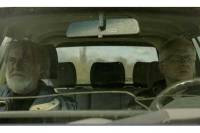
Czech Republic 25-06-2019KARLOVY VARY: The Bulgarian/Greek coproduction The Father by the directing team of Kristina Grozeva and Petar Valchanov will premiere in the main competition of the Karlovy Vary IFF, which begins on 28 June 2019.
PRAGUE: A total of 22 films and projects received support from the Czech Film Fund in the area of distribution in the June 2019 grants round.

PRAGUE: The Czech Republic, Croatia, Estonia, Latvia, Macedonia and Poland are among the 24 countries presenting TV series projects at the 30th edition of Cartoon Forum, which takes place 16 – 19 September in Toulouse, France. A total of 85 projects will participate in the event, which expects some 1,000 sector professionals in attendance.

KOSICE: Monos directed by Alejandro Landes won the Blue Angel for Best Film at the closing ceremony of Art Film Fest on 22 June 2019. The Slovak film Loli Paradicka directed by Richard Staviarsky won the Audience Award.
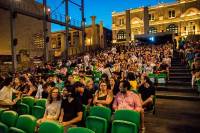
VALLETTA: Latvia’s Oleg by Juris Kursietis and Albania’s A Shelter Among the Clouds by Robert Budina were awarded the Best Fiction Feature Award ex-aequo at the first edition of the Cinema of Small Nations Competition held at the Valletta Film Festival (14-23 June 2019).